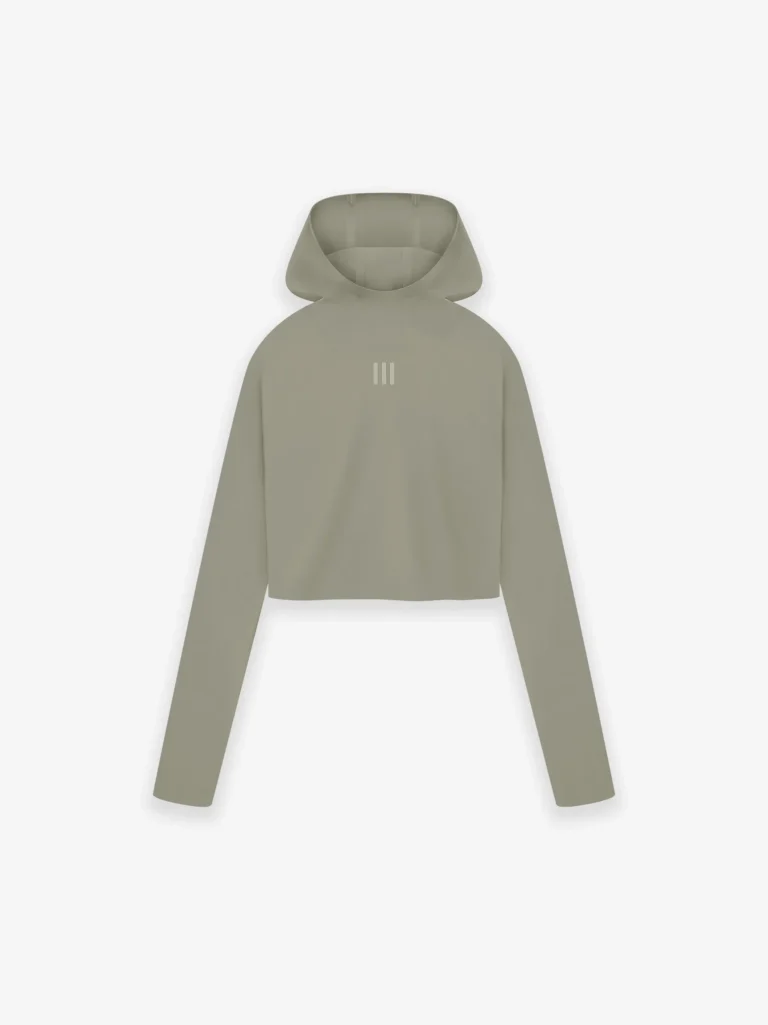
How to Layer Essentials Clothing for Fall and Winter
Learn how to layer Essentials clothing for fall and winter: the tee-fleece-jacket formula, sizing tips, color rules and five holiday outfits.
Knowing how to layer Essentials clothing is what turns a few relaxed basics into a wardrobe that actually works from a crisp November morning to a freezing January night. Because the pieces are cut roomy, they stack differently than slim-fit clothes, and a few simple rules about weight, length and color make every combination look intentional rather than bulky. With Thanksgiving travel this week and real winter close behind, here is a practical guide to building layers that stay warm, move well and look clean.
Why Layering Relaxed Fits Is Different
Most layering advice assumes slim garments that hug the body. Essentials pieces are cut with dropped shoulders, generous chests and longer bodies, which is exactly why they feel good, but it also means extra fabric can pile up at the shoulders and waist if you stack carelessly. The fix is not to avoid layering; it is to plan where the volume goes.
Think of each outfit as three zones: a base that touches the skin, a mid layer that holds warmth, and an outer layer that blocks wind and cold. In a relaxed wardrobe, the mid layer does most of the visual work. A heavyweight Essentials hoodie or a crewneck sweatshirt sets the silhouette, and everything else should support it rather than fight it.
- Shoulders: dropped seams stack naturally, so you rarely need a bigger outer size.
- Body length: inner layers should be equal to or slightly longer than outer ones only when you want a deliberate peek.
- Sleeves: push or scrunch fleece sleeves under a jacket cuff to avoid a bunched forearm.
The Core Formula: How to Layer Essentials Clothing in Three Steps
If you remember only one thing, remember this order. It works for a walk to the coffee shop, an airport run or a holiday dinner at a relative’s house.
- Start with a tee. A relaxed T-shirt in white, cream or black gives you a clean line at the neck and keeps fleece off your skin, which also means you wash the heavier pieces less often.
- Add fleece. Choose a hoodie for a casual, sporty stack or a crewneck when your jacket already has a hood or a high collar.
- Top with outerwear. A jacket with enough room through the chest finishes the look and does the real cold-weather work.
That three-piece structure covers most days from about 35°F to 60°F. Below that, add a heavier coat or an extra thermal under the tee; above it, drop the jacket and let the hoodie be the outer layer.
Choosing Layer Weights by Temperature
The most common layering mistake is wearing too much of the same weight. Three heavy layers feel stiff and look boxy; one heavy layer framed by lighter ones looks sharper and regulates temperature better. Use this table as a starting point and adjust for wind and how warm you naturally run.
| Temperature | Base | Mid layer | Outer layer | Bottoms |
|---|---|---|---|---|
| 55–65°F | T-shirt | None or light crewneck | Hoodie worn open or alone | Sweatpants or shorts on warm afternoons |
| 45–55°F | T-shirt | Hoodie | Light jacket, unzipped | Sweatpants |
| 35–45°F | T-shirt | Hoodie or crewneck | Jacket, zipped | Sweatpants or straight pants |
| 20–35°F | Long-sleeve tee or thermal | Heavy hoodie | Insulated jacket or coat | Sweatpants with thermal underneath |
| Below 20°F | Thermal top | Crewneck plus hoodie | Heavy insulated coat | Lined pants, warm socks, hat |
Notice how the hoodie appears in almost every row. It is the most flexible piece in the lineup, which is why it is worth getting the fit right first and building outward from there.
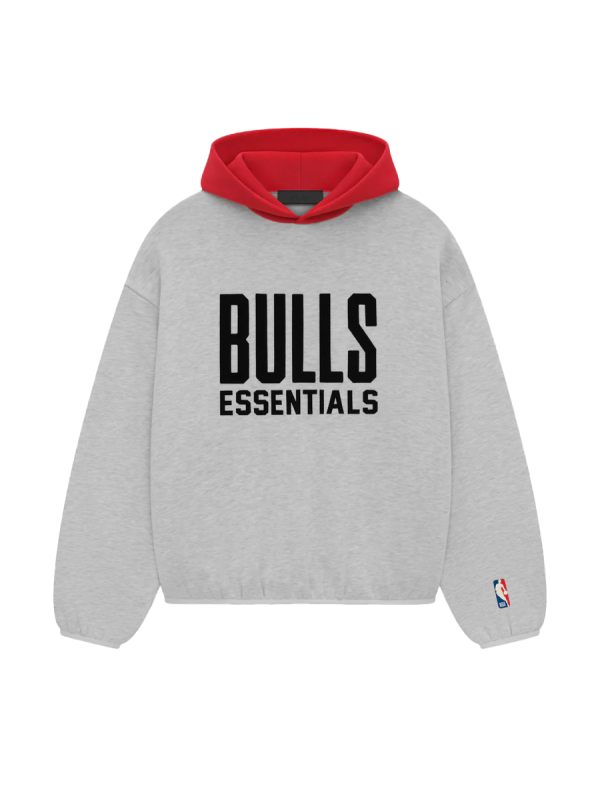
Hoodie or Crewneck as Your Mid Layer?
Both work, but they create different outfits. The choice usually comes down to what is happening at your neckline once the jacket goes on.
Hoodie mid layer
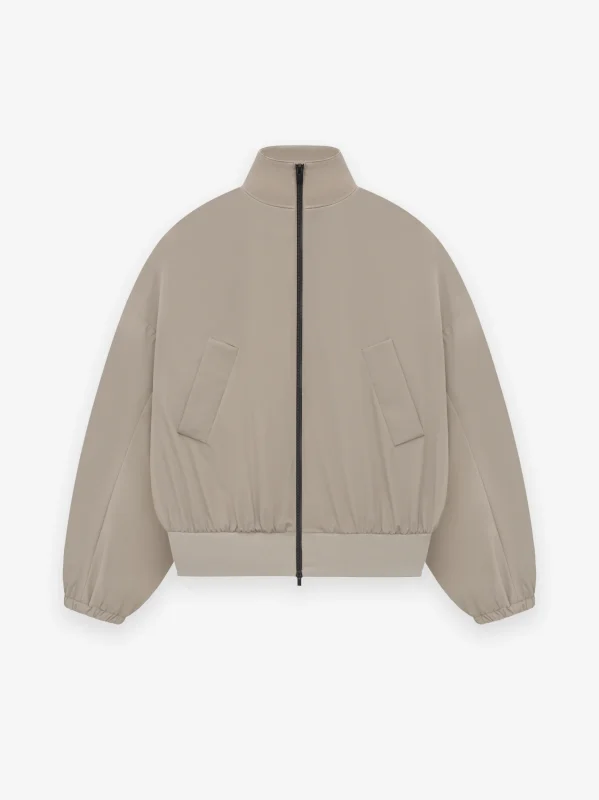
Best under bombers, coach jackets, denim and collarless coats. The hood sits over the jacket collar and adds a relaxed, streetwear look plus extra warmth for your head when the wind picks up. Expect a little more bulk at the back of the neck.
Crewneck mid layer
Best under hooded parkas, puffers with tall collars and overcoats. The clean round neck keeps the collar area flat and reads slightly dressier, which makes it a strong pick for holiday dinners and office days.
If you are still deciding which to buy first, our Essentials hoodie vs crewneck comparison breaks down the differences in more detail.
Our team rating from 1 to 10.
Color Rules That Make Layers Look Intentional
Neutral colors are a big part of why these pieces layer so easily. Still, a few guidelines keep stacked outfits from looking random.
- Go tonal. Pick one color family and use three shades: a cream tee, a beige hoodie and a brown jacket is almost impossible to get wrong.
- Light under dark. A light inner layer showing at the collar or hem under a darker jacket creates clean contrast and draws the eye upward.
- One anchor color. Black or charcoal outerwear works with nearly every fleece shade. A grey hoodie under black is a dependable everyday combination.
- Limit contrast to two zones. If your top half has contrast, keep pants and shoes calmer, and vice versa.
For specific shade pairings, see our guide to the best Essentials hoodie colors.
The best layered outfit looks like one idea, not three garments that happened to meet in the morning.
Getting Proportions Right Top to Bottom
When the top half carries several relaxed layers, the bottom half needs to balance it. Pair stacked tops with sweatpants that have a tapered or cuffed ankle, or with straight-leg pants that fall cleanly onto your shoes. Very wide bottoms plus three roomy layers can swallow your frame, especially if you are on the shorter side.
Hem management matters too. A good rule is that each layer should either be clearly shorter, clearly longer, or exactly level with the one beneath it. Hems that are almost the same length look accidental. Letting a tee extend an inch below a cropped jacket, or tucking the front of a hoodie slightly, are easy ways to fix a crowded waistline.
Finally, a beanie or a cap from our hats collection adds visual weight at the top, which helps balance a bigger jacket and keeps you warmer on long outdoor days.
Five Layered Outfits for the Holiday Season
Here are combinations built entirely from the steps above, with approximate costs using our regular prices so you can plan a full look.
| Occasion | Layers | Approx. cost |
|---|---|---|
| Thanksgiving travel day | Black tee, grey hoodie, sweatpants, hat | $377 |
| Holiday dinner | Cream tee, brown crewneck, straight pants, jacket | $468 plus pants |
| Weekend errands | Matching tracksuit with tee underneath | $324 |
| Cold game day | Thermal, heavy hoodie, insulated jacket, sweatpants, beanie | $528 plus thermal |
| Mild late-fall afternoon | Tee, open hoodie, shorts with crew socks | $298 |
The weekend option uses a tracksuit ($225) over a T-shirt ($99), which is the lowest-effort way to look put-together. For more cold-weather combinations, browse our Essentials winter outfits guide.
Caring for Layers Through the Season
Layering actually helps your clothes last longer. A tee under fleece absorbs sweat and body oils, so your hoodie and crewneck need washing less often. When you do wash them, turn fleece inside out, use cold water and air-dry or tumble on low to protect the fit and the softness of the brushed interior. Our full guide on how to wash an Essentials hoodie covers stain care and drying in detail.
Rotate your mid layers through the week rather than wearing one hoodie every day. Giving fleece a day to air out between wears keeps it fresh and reduces how often it goes through the machine.
If you are ordering pieces for the holidays, remember that processing takes 1–3 business days and US delivery takes 4–7 business days, with free shipping on every US order. You can follow your package any time on our track my order page.
How to Layer Essentials Clothing FAQs
Should I size down when layering Essentials pieces?
The fit is relaxed and oversized, so sizing down one on your inner layers gives a closer, sleeker stack. If you prefer the full roomy look, stay at your usual size and choose outerwear with enough chest room.
Can I wear a hoodie under a jacket without looking bulky?
Yes. Pick a jacket with a straight or slightly boxy body, keep the hoodie sleeves pushed slightly under the cuffs, and let the hood sit flat over the jacket collar. A light-colored tee underneath keeps the neckline clean.
What is the warmest way to layer for very cold weather?
Use a thermal top as the base, a heavy hoodie or crewneck plus hoodie as mid layers, and an insulated coat on the outside. Add a beanie and thermal leggings under sweatpants when temperatures drop below 20°F.
Which colors layer best together?
Tonal combinations are the easiest: cream, beige and brown, or white, grey and black. Lighter layers underneath darker outerwear give a clean contrast at the collar and hem.
Is a hoodie or crewneck better for layering?
A hoodie is better under collarless jackets and bombers, while a crewneck works best under hooded parkas and tall-collar coats where a second hood would crowd the neckline.
How fast will my order arrive if I am layering up for a trip?
Orders are processed in 1–3 business days and US delivery takes 4–7 business days, with free US shipping and 30-day returns if a layer does not fit the way you planned.
Shop Essentials hoodies for layering


Quick summary
- Layer thin to thick: tee, fleece, then a jacket with enough chest room.
- Size down on inner layers for a sleeker stack, or keep your size for a fuller drape.
- Stick to tonal colors and keep hems clearly shorter, longer or level.
- Balance roomy tops with tapered sweatpants or straight pants and finish with a hat.